Homeschooling While Working Full Time: What the First Weeks Actually Look Like
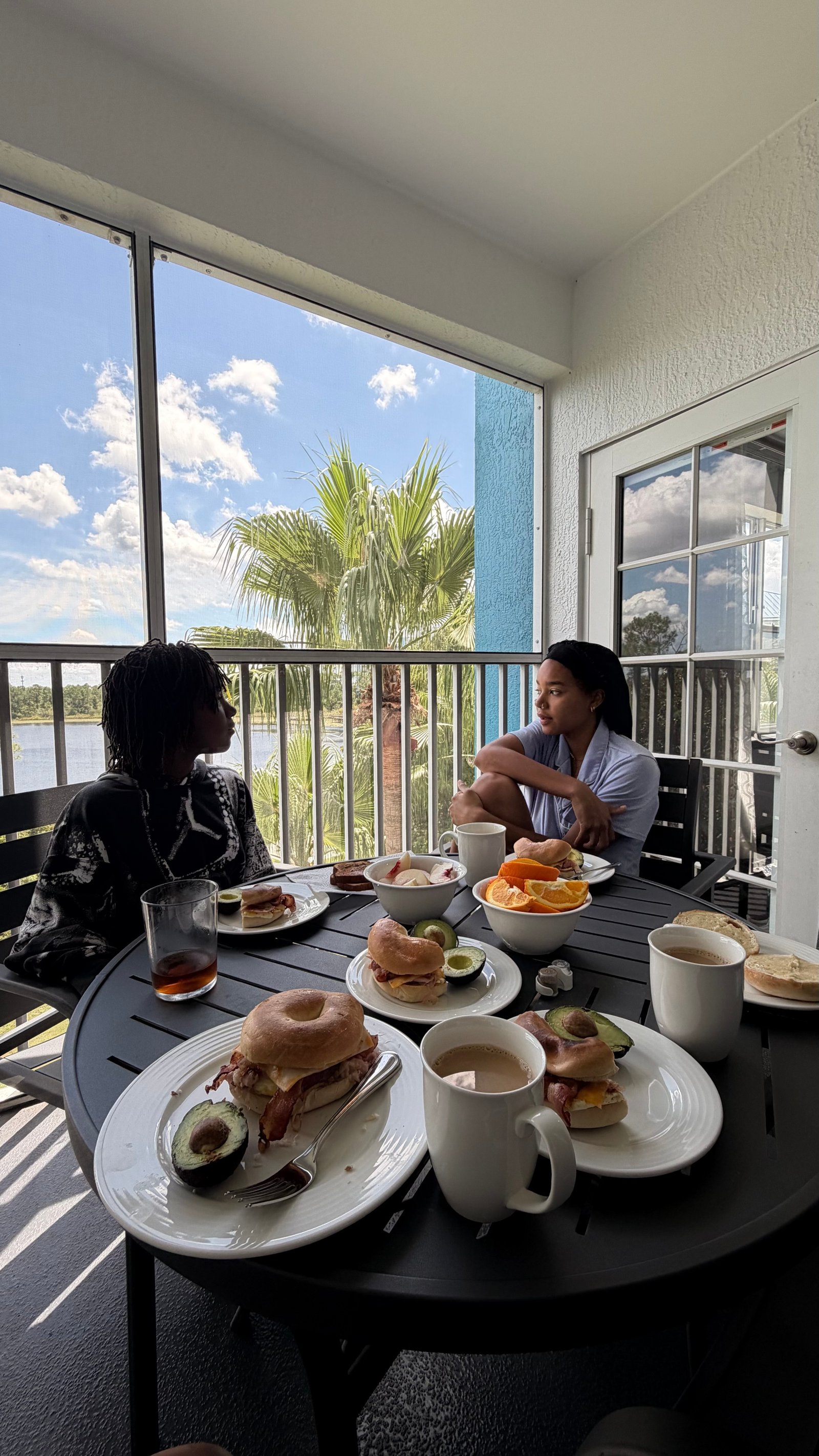
I am writing this from the middle of it.
Not from the other side, with a perfect schedule and a system I can package into five easy steps. We are still getting settled. We are still learning what structure looks like in our house. Some days feel calm enough to notice the progress. Other days feel like three ADHD brains moving in three different directions at once.
There has to be balance with three ADHD brains or there is chaos.
That is the honest starting point.
I work full clinical hours in healthcare. More than 80 hours across a two-week pay period. I homeschool my two younger children: my daughter is 10, and my son is 13. I am also trying to hold together meals, work, appointments, household responsibilities, and the emotional work of helping two children adjust to a new way of learning.
Homeschooling while working full time is possible for us. But possible does not mean easy. It does not mean every day is organized. It does not mean I have endless patience or energy.
It means we are building something that has to fit our actual lives.
We are not following one identical school day
The first thing I have had to accept is that my children cannot be placed into one shared schedule simply because they live in the same house.
My daughter uses both Acellus and K12. K12 is a Washington state program with set times for showing up to class, so those live class times are fixed commitments in our week. Acellus gives her another way to work through lessons.
My son is focusing on Acellus only.
That means their days do not always begin at the same time, move at the same pace, or end with the same amount of completed work. One child may be logging into a class while the other is working independently. One may need help getting started while the other needs a break from a screen.
It is not a neat picture.
It is two different learning setups, two different learning profiles, and one mother trying to keep track of where everyone is.
I am not trying to make the children match. I am trying to understand what each child needs in order to keep moving.
That is a different goal.
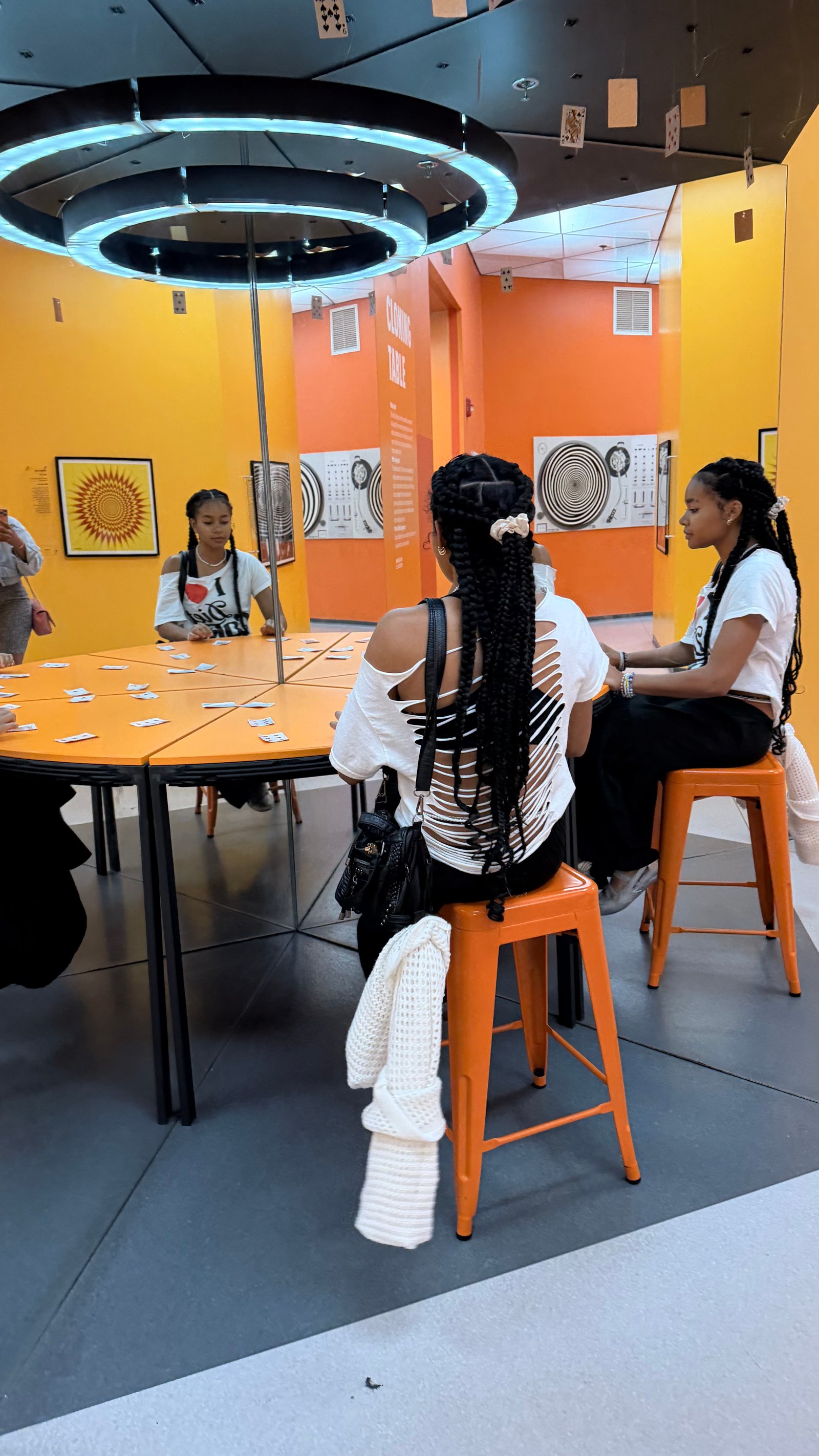
The first weeks have been about structure, not perfection
We are still working on figuring out what structure looks like.
That sentence sounds simple, but it has taken a lot of pressure off me.
I used to think structure meant knowing exactly what happened at every hour of every day. I thought a successful homeschool day needed a clear beginning, a clear sequence, and a satisfying list of completed tasks at the end.
Maybe that will eventually be part of our rhythm. Right now, it is not our reality.
Right now, structure means knowing which K12 class times cannot move. It means having Acellus available for independent work. It means trying to create enough predictability that the children know what is expected without making every change feel like a crisis.
It also means accepting that my work schedule is part of the structure.
I cannot build our education around the assumption that I am available all day. I am at work for long clinical hours. I have responsibilities that cannot be paused because a lesson is difficult or because the morning did not go as planned.
That limitation matters.
So does the fact that I have five consecutive days off every other week. That schedule is one of the reasons short educational getaways are possible for us without waiting for a traditional school break. It gives us a different kind of flexibility, but it does not create unlimited energy or money.
We still have to plan carefully. We still have to rest. We still have to come home.
Academics still matter to me
Choosing homeschooling does not mean I stopped caring about academics.
My children still have structured lessons. They still use curriculum. They still need to practice skills, learn new material, and build knowledge over time.
What I am questioning is the idea that education has to happen in only one place, at only one pace, and according to someone else’s timetable.
A lesson can happen at home through Acellus. It can happen during a K12 class. It can happen while we are looking at an exhibit, talking about an animal, reading signs, counting money, navigating a new place, or deciding whether we have enough energy for one more activity.
The goal is not to replace all academic work with outings.
The goal is to stop treating real-world learning as separate from education.
Mastery matters more to me than rushing through a grade level. My son may need foundational work in one area and be ready for more advanced material in another. My daughter may understand a concept deeply even if her progress does not look identical to another child’s.
Intelligence and struggle can exist at the same time.
That is true for my children. It is also true for me.
Arizona showed me what flexible learning can look like
Our September 2026 Arizona trip happened during our introductory week of homeschooling. It was our first real travel-learning week, and I was not sure what to expect from it.
I did not require a rigid amount of online school each day. We did as much Acellus as felt comfortable, and we allowed the experiences themselves to become part of the learning.
That did not mean the trip was effortless or perfectly educational.
We dealt with a tire that would not stay inflated. We had to think about time, cost, energy, transportation, and what everyone could realistically manage. We had planned to go on a slot canyon excursion, but that would have meant waking up at 3 a.m. and driving four hours.
We skipped it.
I am glad we rested instead.
That decision was not a failure. It was part of learning how to make choices as a family. Sometimes changing the lesson plan is the lesson.
We visited the Arizona Science Center, which was our first hosted educational experience. We explored Out of Africa Wildlife Park, where the kids got close enough to feed a giraffe. We spent time around the red rocks in Sedona. At OdySea Aquarium, we came across an unplanned bubble day outside.
Some moments were carefully chosen. Others happened because we happened to be there.
That is what I want our education to make room for.
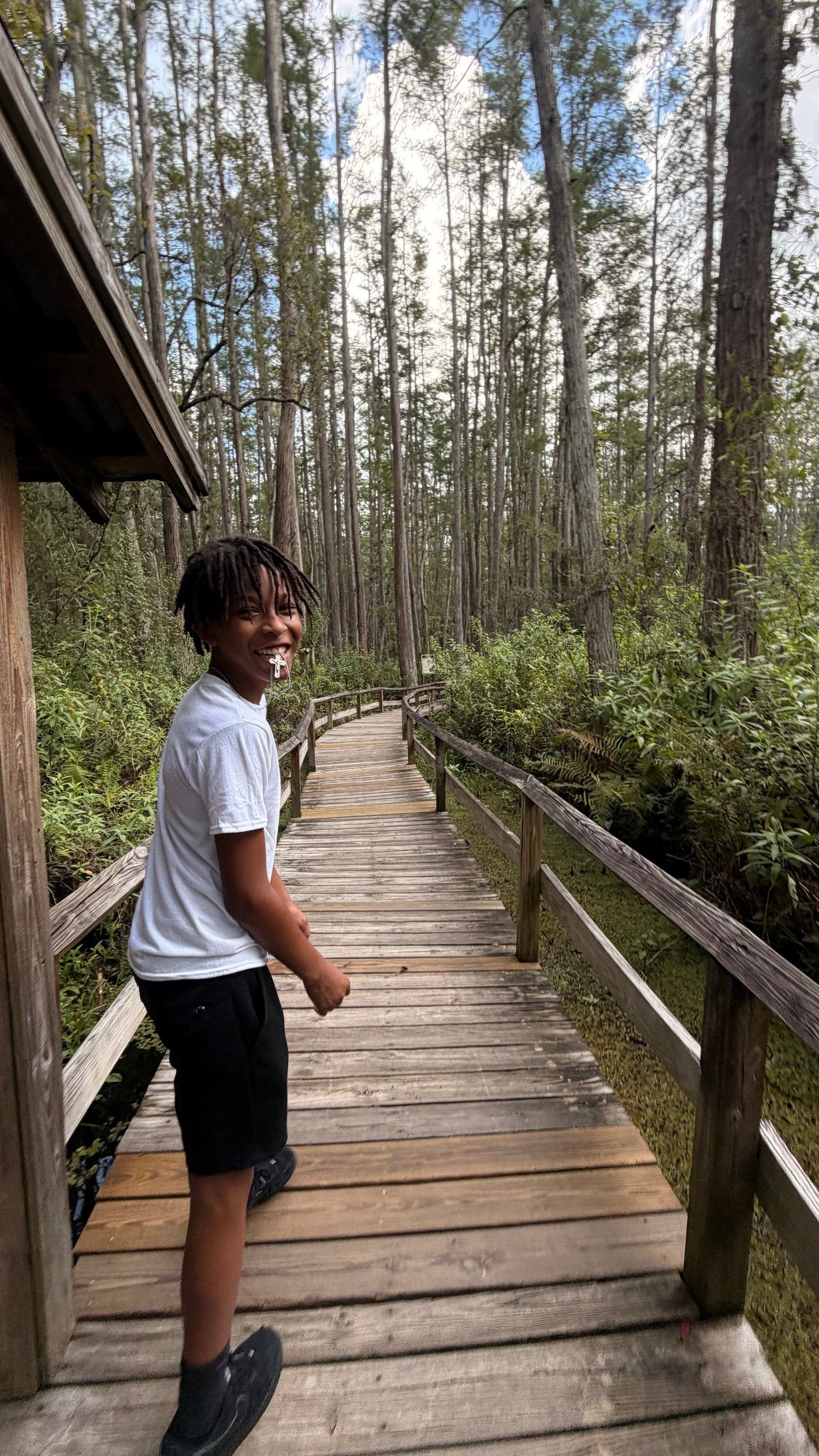
Sometimes childhood is the thing we did not plan
I am still learning how to tell the difference between a meaningful challenge and simple exhaustion.
That matters when traveling. It also matters at home.
There are days when the best choice is to continue with the lesson. There are days when the better choice is to pause, eat something, move around, or sleep. Rest is not always the reward after learning. Sometimes rest is what makes learning possible again.
Sometimes learning is the thing we planned.
Sometimes childhood is the thing we did not.
I do not want to turn every museum visit into a worksheet. I do not want every hike to become an assignment. I want my children to have room to be curious without feeling as though every moment must produce evidence.
A conversation about why a giraffe’s neck is shaped the way it is can be science. Comparing prices at a store can be math. Deciding whether we can afford an activity can be budgeting. Choosing to leave before everyone is overwhelmed can be self-awareness.
The lesson can stay.
The environment can change.
Washington is still ahead of us
We have not done any Washington home-state field trips yet.
That is important to say clearly.
Right now, Washington is where we are getting settled, building a routine, and figuring out how to make this work alongside my job. We are aiming to explore our home state as part of our longer-term path toward worldschooling, but we have not started those field trips yet.
There is no need to pretend we are farther along than we are.
Our Explore page reflects the direction we are moving: learning through museums, nature, history, science, food, and travel. But the Washington chapter is still ahead of us.
For now, the work is more ordinary.
Logging into class.
Opening Acellus.
Remembering what needs to be done.
Working my shift.
Trying again after a difficult day.
I am still learning how to work and homeschool
I do not have a perfect answer for a parent who asks how to homeschool while working full time, because I am still learning how to do it myself.
I know that our work schedule has to be part of the plan. I know the children need different kinds of structure. I know rigid expectations can create more stress than learning. I know that five days off every other week gives us opportunities, but it does not remove the need for budgeting, planning, and recovery.
I also know that our home is calmer when there is a rhythm.
Not a perfect schedule.
A rhythm.
A way to know what comes next. A way to pause without abandoning the whole day. A way to hold academics, work, rest, and ordinary family life in the same picture.
We are not anti-school. We are not presenting homeschooling as the right choice for every family. This is our personal path, and it is still developing. Other families may need different answers, different supports, or a different educational setting altogether.
I am documenting what happens because I know we are not the only working family trying to make room for learning inside a full life.
Some days, we make progress through a lesson.
Some days, we make progress by changing the plan.
Some days, we make progress by resting before the day becomes too much.
All of that is part of our first weeks.
And we are still figuring out what comes next.
If you want to follow along as we learn what works, and what does not, the Unboxed Letter is where I share the updates from our kitchen table: the schedule experiments, the curriculum questions, the travel plans, the missed plans, and the small discoveries that are easier to notice when we stop pretending the process is finished.